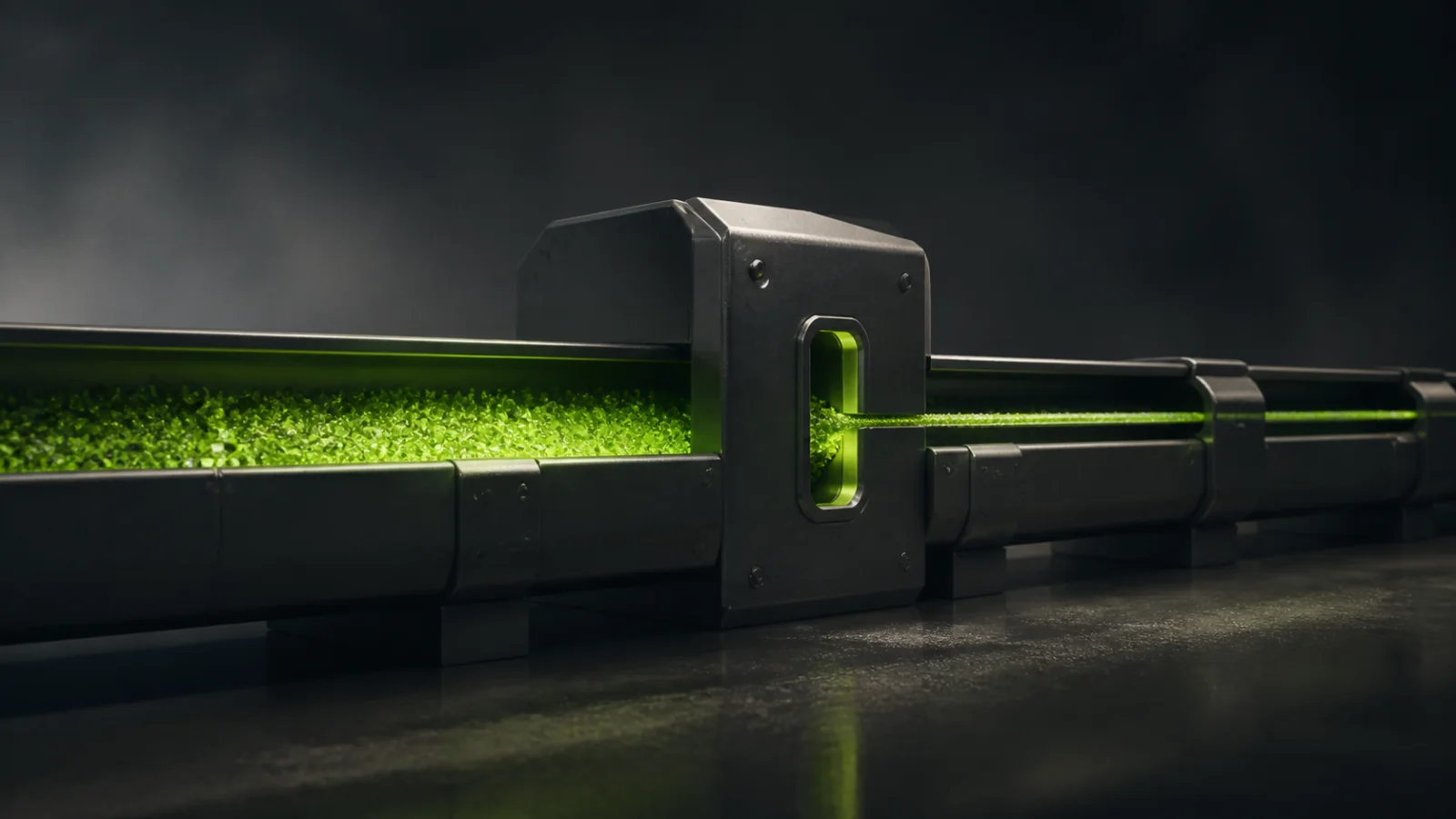
Identify, exploit, subordinate, elevate, and repeat while measuring throughput, inventory, and operating impact. Identify the current constraint, exploit its available time, subordinate upstream and downstream rules, elevate capacity only when needed, and repeat after the constraint moves. Measure system throughput rather than local busyness. The most utilized machine is not automatically the constraint. Product mix, routing, variability, quality, policy, and demand can change what limits the system. Theory of Constraints: AI and automation may accelerate analysis, but people remain responsible for safety, quality, interpretation, and approval.
System-level priority
Protected constraint time
Focused investment
Define the system goal and throughput boundary
Identify, exploit, subordinate, elevate, and repeat while measuring throughput, inventory, and operating impact.
The most utilized machine is not automatically the constraint. Product mix, routing, variability, quality, policy, and demand can change what limits the system. Theory of Constraints: Use evidence from the real process and keep source, timestamp, unit, and uncertainty visible.
- throughput demand
- constraint load
- protective buffers
- starvation and blocking time
Identify the active constraint from flow evidence
Theory of Constraints: Use evidence from the real process and keep source, timestamp, unit, and uncertainty visible. Focus on throughput demand, constraint load, protective buffers, starvation and blocking time.
Identify the current constraint, exploit its available time, subordinate upstream and downstream rules, elevate capacity only when needed, and repeat after the constraint moves. Measure system throughput rather than local busyness. Theory of Constraints: Preserve a baseline and change one important assumption at a time so the team can explain the result.
- throughput demand
- constraint load
- protective buffers
- starvation and blocking time
Exploit and subordinate before buying capacity
Identify the current constraint, exploit its available time, subordinate upstream and downstream rules, elevate capacity only when needed, and repeat after the constraint moves. Measure system throughput rather than local busyness.
The most utilized machine is not automatically the constraint. Product mix, routing, variability, quality, policy, and demand can change what limits the system. Theory of Constraints: Preserve a baseline and change one important assumption at a time so the team can explain the result.
Test whether the constraint moves
Theory of Constraints: Use simulation or a controlled pilot when interactions, queues, failures, mix, or timing could move the effect elsewhere. Identify the current constraint, exploit its available time, subordinate upstream and downstream rules, elevate capacity only when needed, and repeat after the constraint moves. Measure system throughput rather than local busyness.
The most utilized machine is not automatically the constraint. Product mix, routing, variability, quality, policy, and demand can change what limits the system.
- Define the system goal and throughput boundary
Identify, exploit, subordinate, elevate, and repeat while measuring throughput, inventory, and operating impact.
- Identify the active constraint from flow evidence
Theory of Constraints: Use evidence from the real process and keep source, timestamp, unit, and uncertainty visible.
- Exploit and subordinate before buying capacity
Identify the current constraint, exploit its available time, subordinate upstream and downstream rules, elevate capacity only when needed, and repeat after the constraint moves. Measure system throughput rather than local busyness.
- Test whether the constraint moves
Theory of Constraints: Use simulation or a controlled pilot when interactions, queues, failures, mix, or timing could move the effect elsewhere.
- Repeat the five focusing steps
Theory of Constraints: Assign an owner, review date, response rule, and success measure. Compare the observed result with the prediction and update the standard.
Repeat the five focusing steps
Theory of Constraints: Assign an owner, review date, response rule, and success measure. Compare the observed result with the prediction and update the standard.
Theory of Constraints: AI and automation may accelerate analysis, but people remain responsible for safety, quality, interpretation, and approval. The most utilized machine is not automatically the constraint. Product mix, routing, variability, quality, policy, and demand can change what limits the system.
A related example from Abolfazl
Abolfazl connects release decisions, queues and launch lead time.
In English, on founder Abolfazl’s personal blog. This is related reading, not an independent technical source.
Practical checklist
- Identify, exploit, subordinate, elevate, and repeat while measuring throughput, inventory, and operating impact.
- Theory of Constraints: Use evidence from the real process and keep source, timestamp, unit, and uncertainty visible.
- Theory of Constraints: Preserve a baseline and change one important assumption at a time so the team can explain the result.
- Identify the current constraint, exploit its available time, subordinate upstream and downstream rules, elevate capacity only when needed, and repeat after the constraint moves. Measure system throughput rather than local busyness.
- Theory of Constraints: Use simulation or a controlled pilot when interactions, queues, failures, mix, or timing could move the effect elsewhere.
- Theory of Constraints: Assign an owner, review date, response rule, and success measure. Compare the observed result with the prediction and update the standard.
- Theory of Constraints: AI and automation may accelerate analysis, but people remain responsible for safety, quality, interpretation, and approval.
FAQ
FAQ
Sources and further reading
Authoritative references used to research and verify this guide.