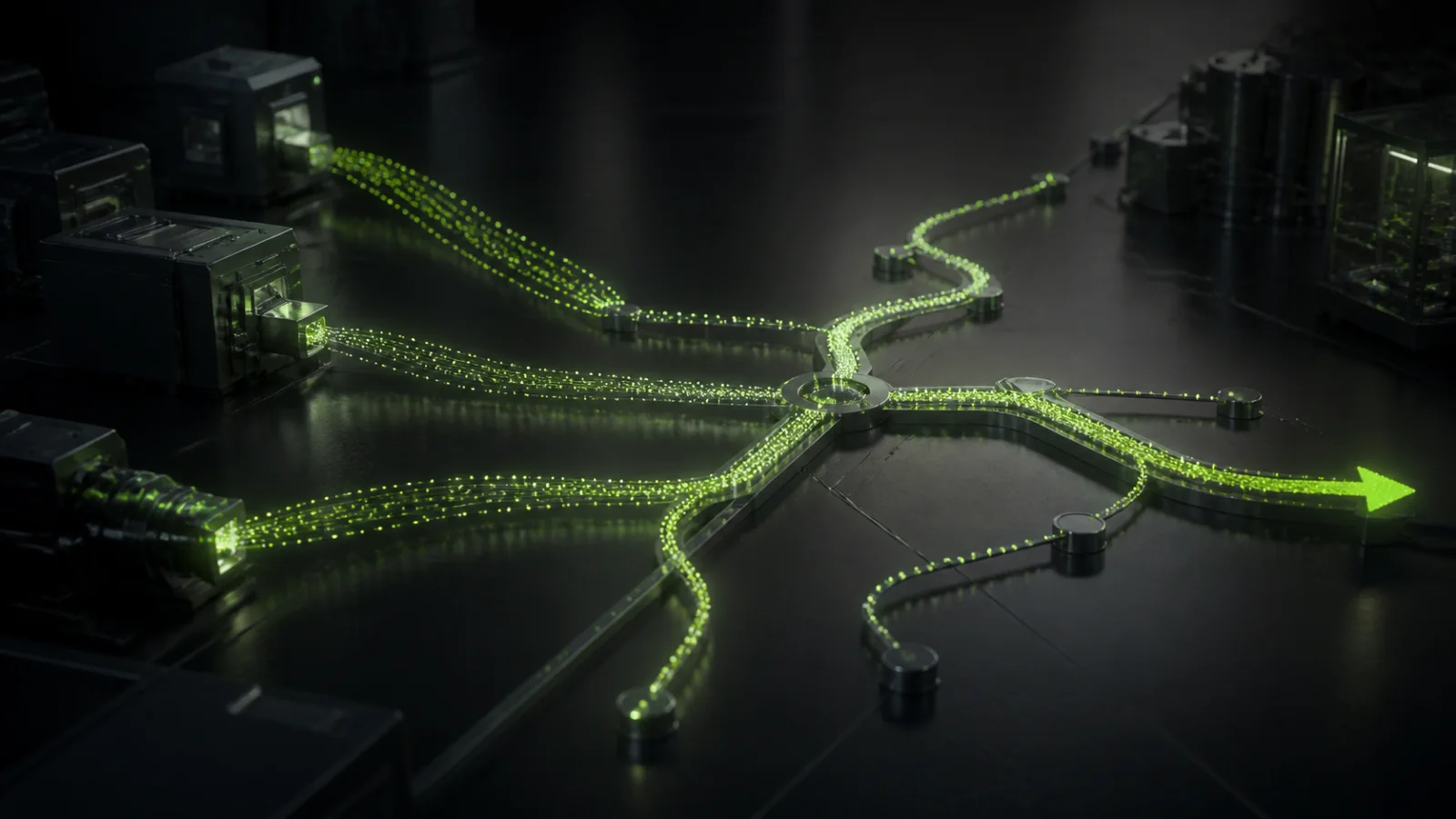
Reconstruct process variants from timestamps, compare conformance, and connect discovered delays to physical operations. Define the process boundary and case key, clean clock and identity issues, discover actual variants from event logs, compare them with the intended process, then validate surprising paths with people and physical evidence. An event log is a partial observation, not the process itself. Missing manual work, overwritten states, inconsistent case IDs, and system timestamps can create convincing but false paths. Process mining in manufacturing: AI and automation may accelerate analysis, but people remain responsible for safety, quality, interpretation, and approval.
Actual process variants
Conformance gaps
Data-backed delay analysis
Choose a case that represents real manufacturing work
Reconstruct process variants from timestamps, compare conformance, and connect discovered delays to physical operations.
An event log is a partial observation, not the process itself. Missing manual work, overwritten states, inconsistent case IDs, and system timestamps can create convincing but false paths. Process mining in manufacturing: Use evidence from the real process and keep source, timestamp, unit, and uncertainty visible.
- case identifier
- activity name
- ordered timestamps
- asset, order, product, and status context
Repair event identity, order, and clock quality
Process mining in manufacturing: Use evidence from the real process and keep source, timestamp, unit, and uncertainty visible. Focus on case identifier, activity name, ordered timestamps, asset, order, product, and status context.
Define the process boundary and case key, clean clock and identity issues, discover actual variants from event logs, compare them with the intended process, then validate surprising paths with people and physical evidence. Process mining in manufacturing: Preserve a baseline and change one important assumption at a time so the team can explain the result.
- case identifier
- activity name
- ordered timestamps
- asset, order, product, and status context
Compare discovered variants with the intended process
Define the process boundary and case key, clean clock and identity issues, discover actual variants from event logs, compare them with the intended process, then validate surprising paths with people and physical evidence.
An event log is a partial observation, not the process itself. Missing manual work, overwritten states, inconsistent case IDs, and system timestamps can create convincing but false paths. Process mining in manufacturing: Preserve a baseline and change one important assumption at a time so the team can explain the result.
Validate digital paths at the physical process
Process mining in manufacturing: Use simulation or a controlled pilot when interactions, queues, failures, mix, or timing could move the effect elsewhere. Define the process boundary and case key, clean clock and identity issues, discover actual variants from event logs, compare them with the intended process, then validate surprising paths with people and physical evidence.
An event log is a partial observation, not the process itself. Missing manual work, overwritten states, inconsistent case IDs, and system timestamps can create convincing but false paths.
- Choose a case that represents real manufacturing work
Reconstruct process variants from timestamps, compare conformance, and connect discovered delays to physical operations.
- Repair event identity, order, and clock quality
Process mining in manufacturing: Use evidence from the real process and keep source, timestamp, unit, and uncertainty visible.
- Compare discovered variants with the intended process
Define the process boundary and case key, clean clock and identity issues, discover actual variants from event logs, compare them with the intended process, then validate surprising paths with people and physical evidence.
- Validate digital paths at the physical process
Process mining in manufacturing: Use simulation or a controlled pilot when interactions, queues, failures, mix, or timing could move the effect elsewhere.
- Turn conformance gaps into owned experiments
Process mining in manufacturing: Assign an owner, review date, response rule, and success measure. Compare the observed result with the prediction and update the standard.
Turn conformance gaps into owned experiments
Process mining in manufacturing: Assign an owner, review date, response rule, and success measure. Compare the observed result with the prediction and update the standard.
Process mining in manufacturing: AI and automation may accelerate analysis, but people remain responsible for safety, quality, interpretation, and approval. An event log is a partial observation, not the process itself. Missing manual work, overwritten states, inconsistent case IDs, and system timestamps can create convincing but false paths.
A related example from Abolfazl
Compare an approval map with the correction loops visible in its event log.
In English, on founder Abolfazl’s personal blog. This is related reading, not an independent technical source.
Practical checklist
- Reconstruct process variants from timestamps, compare conformance, and connect discovered delays to physical operations.
- Process mining in manufacturing: Use evidence from the real process and keep source, timestamp, unit, and uncertainty visible.
- Process mining in manufacturing: Preserve a baseline and change one important assumption at a time so the team can explain the result.
- Define the process boundary and case key, clean clock and identity issues, discover actual variants from event logs, compare them with the intended process, then validate surprising paths with people and physical evidence.
- Process mining in manufacturing: Use simulation or a controlled pilot when interactions, queues, failures, mix, or timing could move the effect elsewhere.
- Process mining in manufacturing: Assign an owner, review date, response rule, and success measure. Compare the observed result with the prediction and update the standard.
- Process mining in manufacturing: AI and automation may accelerate analysis, but people remain responsible for safety, quality, interpretation, and approval.
FAQ
FAQ
Sources and further reading
Authoritative references used to research and verify this guide.